A purge plug doesn't usually fail all at once. It just gets a little worse each shift. The argon flow drops a bit. The pressure creeps up. Someone cranks the valve open a little more to compensate. And then one day—it just won't blow at all.
You pull it out, and there it is: eroded, cracked, or plugged solid.
The thing is, your purge plug was giving you warnings long before that day. You just had to know what to look for. Here are three signals that your plug is telling you it's time for a change.
This is the earliest and most common warning.
You're using the same argon flow rate you always use—say, 200 L/min—but the pressure gauge is reading higher than it used to. Way higher.
What's happening? The pores in the plug are slowly closing up. Maybe it's steel penetration. Maybe it's alumina buildup from the melt. Either way, the gas has to push harder to get through.
Some operators just turn up the pressure and keep going. That works for a while. But at some point, you're overworking your system and your plug.
If you see a steady pressure creep over 3–5 heats, start planning your change. Don't wait until it's completely blocked.
This one's easy to check—but easy to miss if nobody's looking.
When you pull the ladle after a cast, take a second to look at the purge plug's top face. What do you see?
Smooth and flat? Good.
A slight dish or depression? That's erosion—the refractory is slowly dissolving into the steel.
Cracks running across the face? That's thermal spalling, and it's only going to get worse.
Lost chunks or jagged edges? That's beyond warning—that's time.
Once you see visible wear, don't push it for another 10 heats. The plug is already compromised. It might not hold up when you need it most.
This one is more subtle, but if you've seen it, you know exactly what I'm talking about.
You open the argon valve, and the flow is fine. Then a few seconds later, it sputters. Then it picks up again. Then it drops.
That unstable behavior often means the plug is partially blocked in some zones but clear in others. So instead of a nice, even curtain of bubbles rising through the steel, you get bursts of gas in one spot.
That's bad for stirring efficiency. And it's bad for the plug. Uneven flow creates uneven stress, which accelerates cracking and wear.
If your flow is jumping around, your plug is telling you it's no longer doing its job properly.
Three options:
Wait until it fails completely — not great, because it always fails during a cast, and that's the most expensive time.
Change it on a fixed schedule — safer, but you might be throwing away plugs that still have life left.
Watch for these signs and change when they tell you — this is the sweet spot.
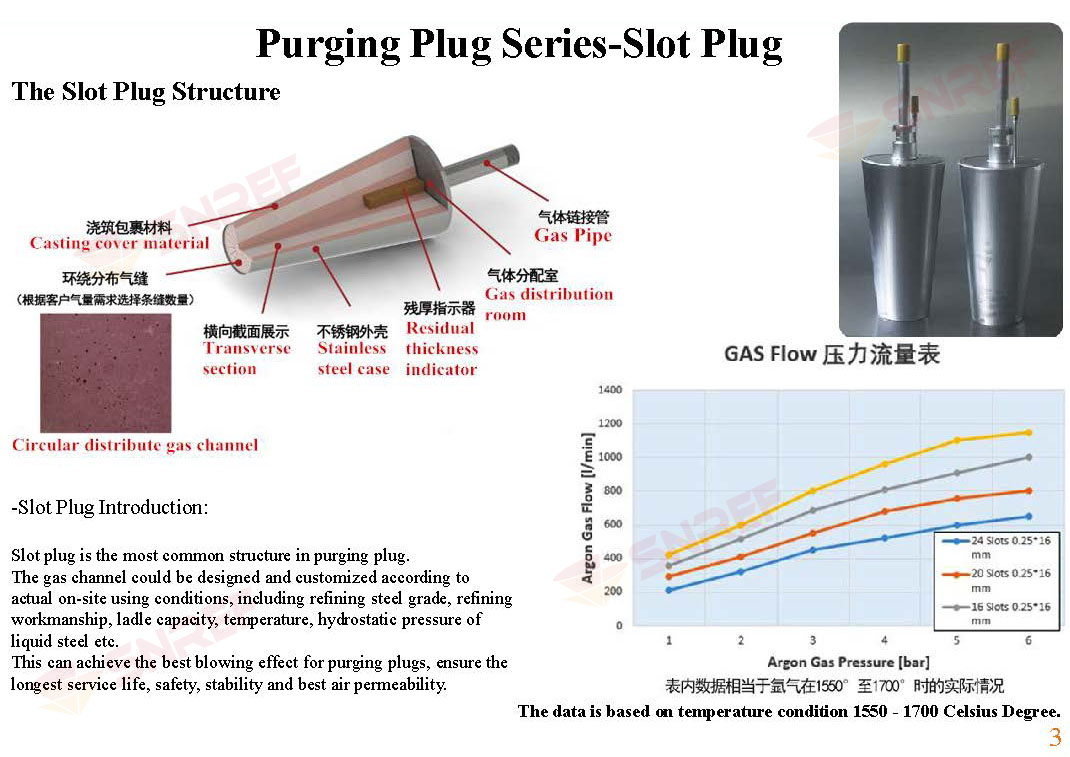
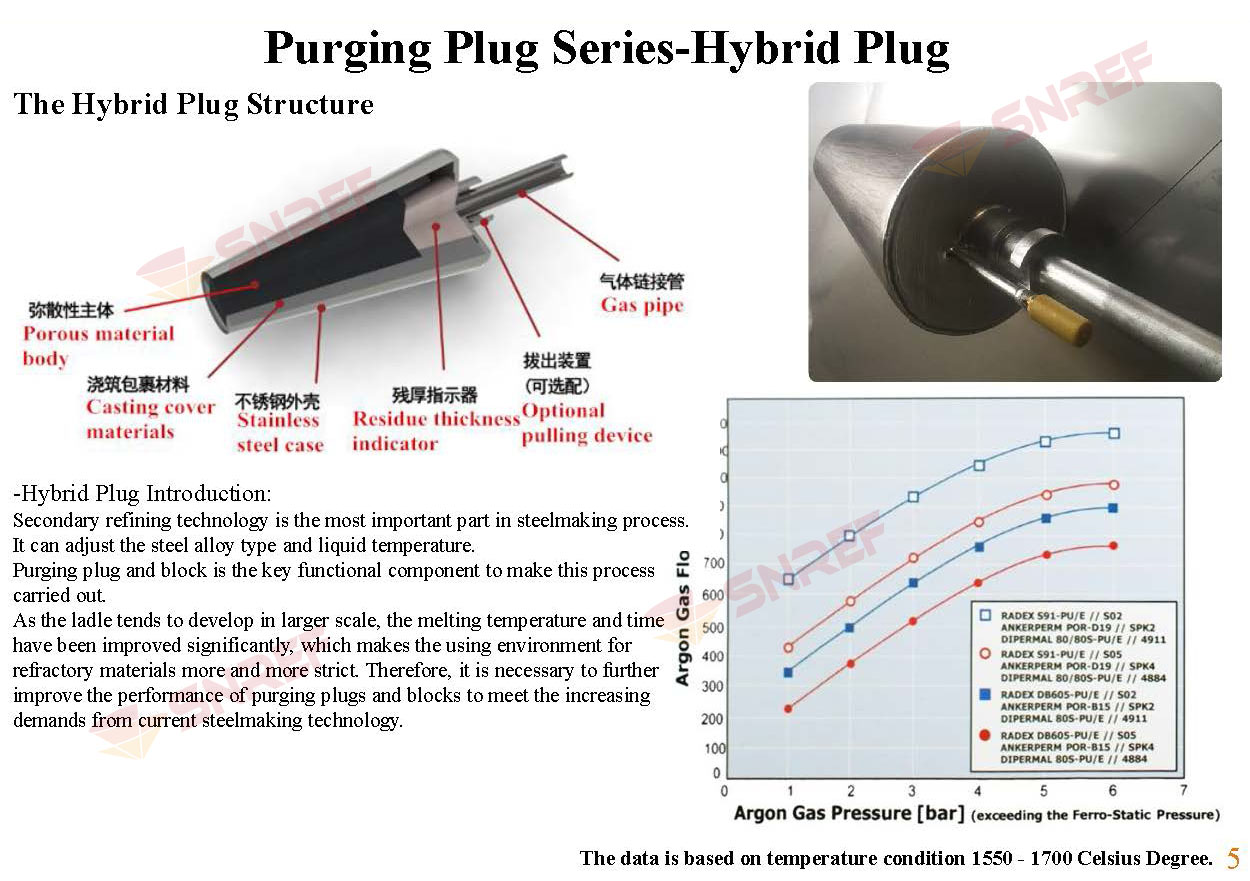
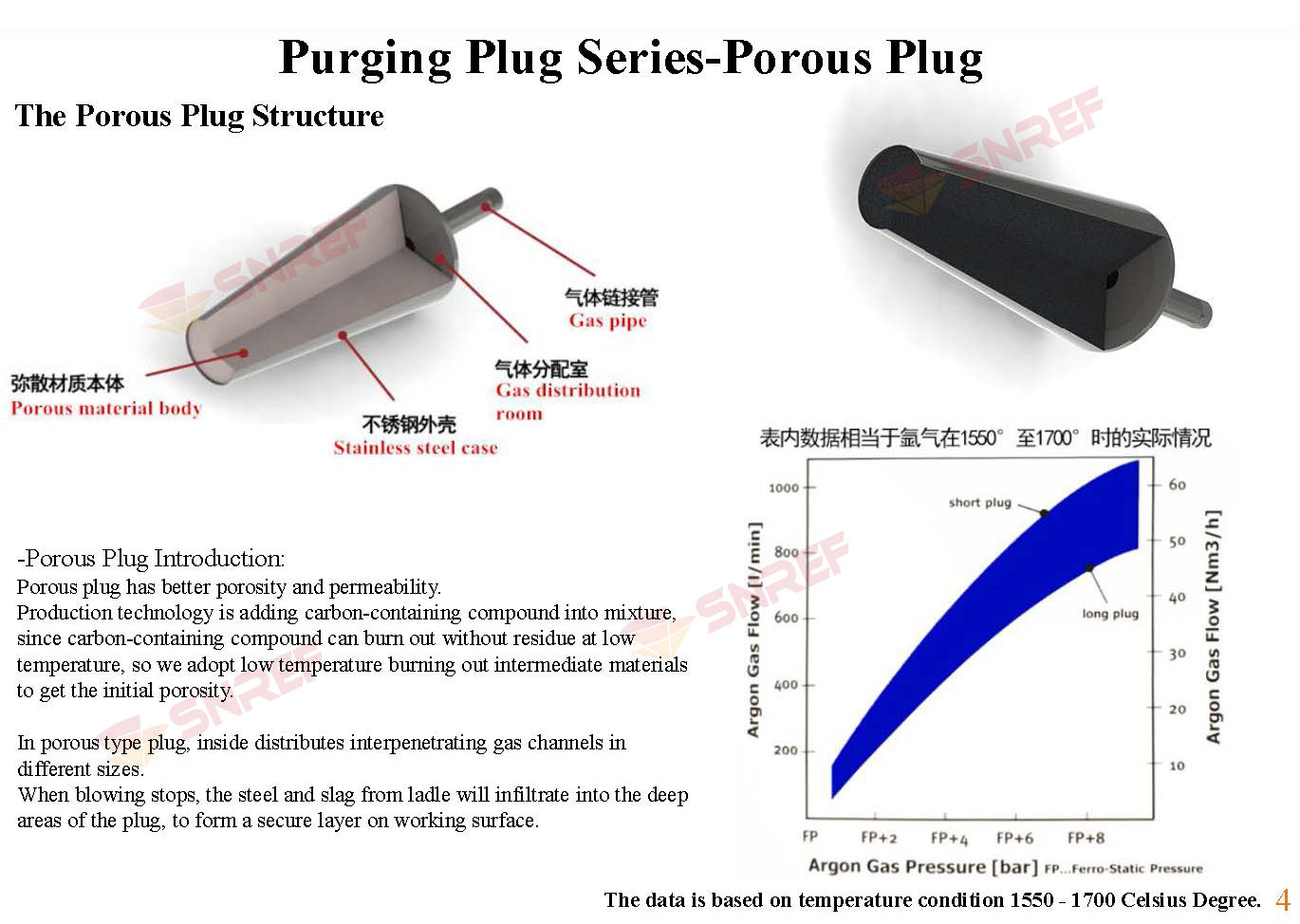
We build our porous purge plugs with slag resistance in mind—because we know the working face takes a beating. But even the best plug has a lifespan, and the key to getting the most out of it is knowing when to say goodbye.